
Early years on the land
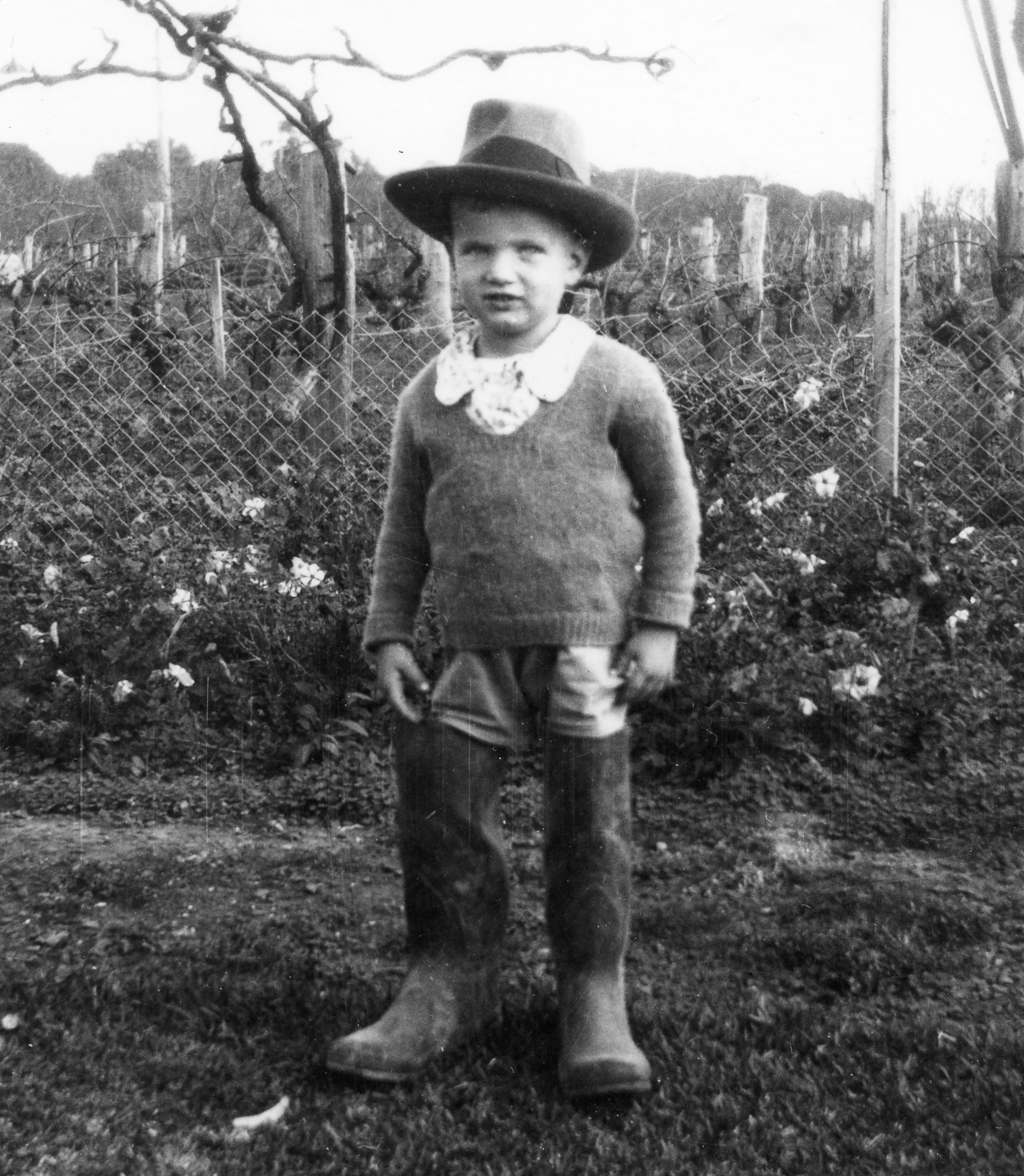
Bob Edwards’ early life was shaped by the rhythms of family, farming and the South Australian landscape. Growing up among the vineyards and orchards of Marion, just south of Adelaide, he was surrounded by a large extended family, hard work, seasonal change and the uncertainty of the Great Depression. These formative years on the land gave Bob a deep appreciation for nature, resilience and community — qualities that would remain with him throughout his life.
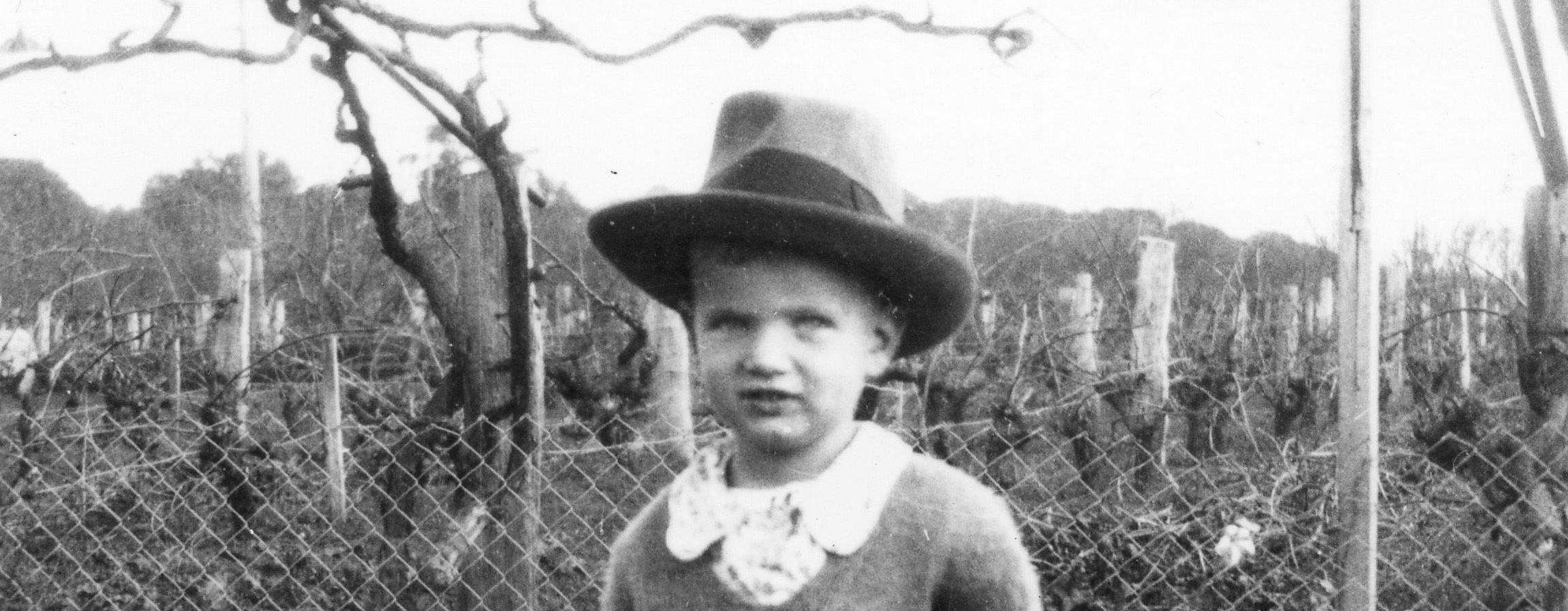
Rooted in Family, Land and Resilience
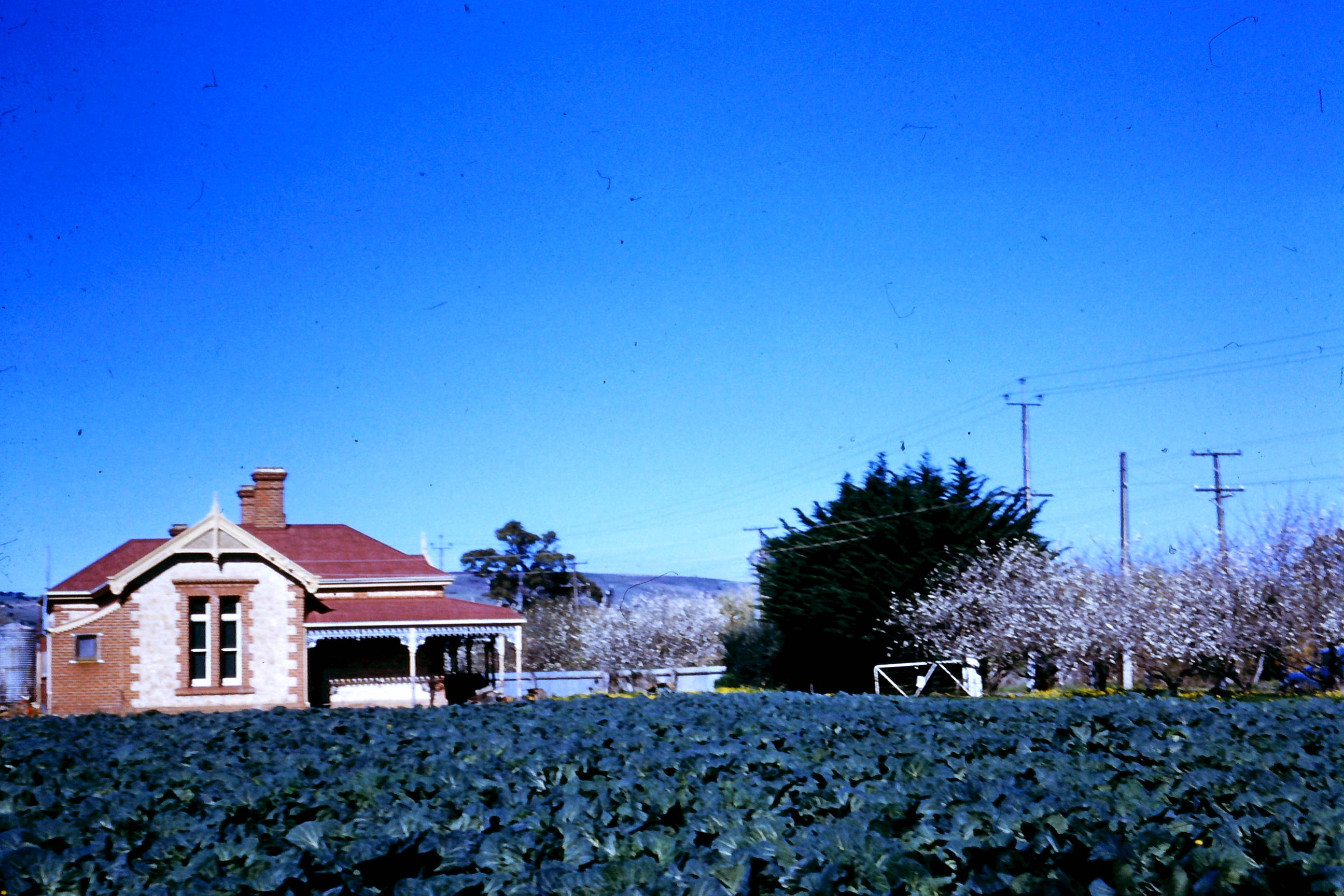
"My grandfather Frank Henry Edwards was the eldest son in a family of 11 surviving children. He had a 50 acre (20 hectare) orchard property in the Marion district some 6 miles (10kms) south of Adelaide. This was the centre of my early years...
Grandfather grew stone fruit, vegetables and almonds. But concentrated mainly on grapes for sale either as fresh fruit or wine production. These were exchanged often with neighbours for other produce as there was little money to be had in those terrible years of The Great Depression of the 1930's when the family lived under a dark cloud of doubt and uncertainty about the future."
"It was good to be born into a large extended family living and working in a rural environment with lots of space and scope to explore and run free. There also were lots of relations to encourage me as my four grandparents all came from large families that was the custom at the time. There was a plethora of great uncles, aunts, first and second cousins and in my early years three great grandparents who were very old and very grand. I grew up in the bosom of the immediate family and gained much from a regular association with numerous relatives..."
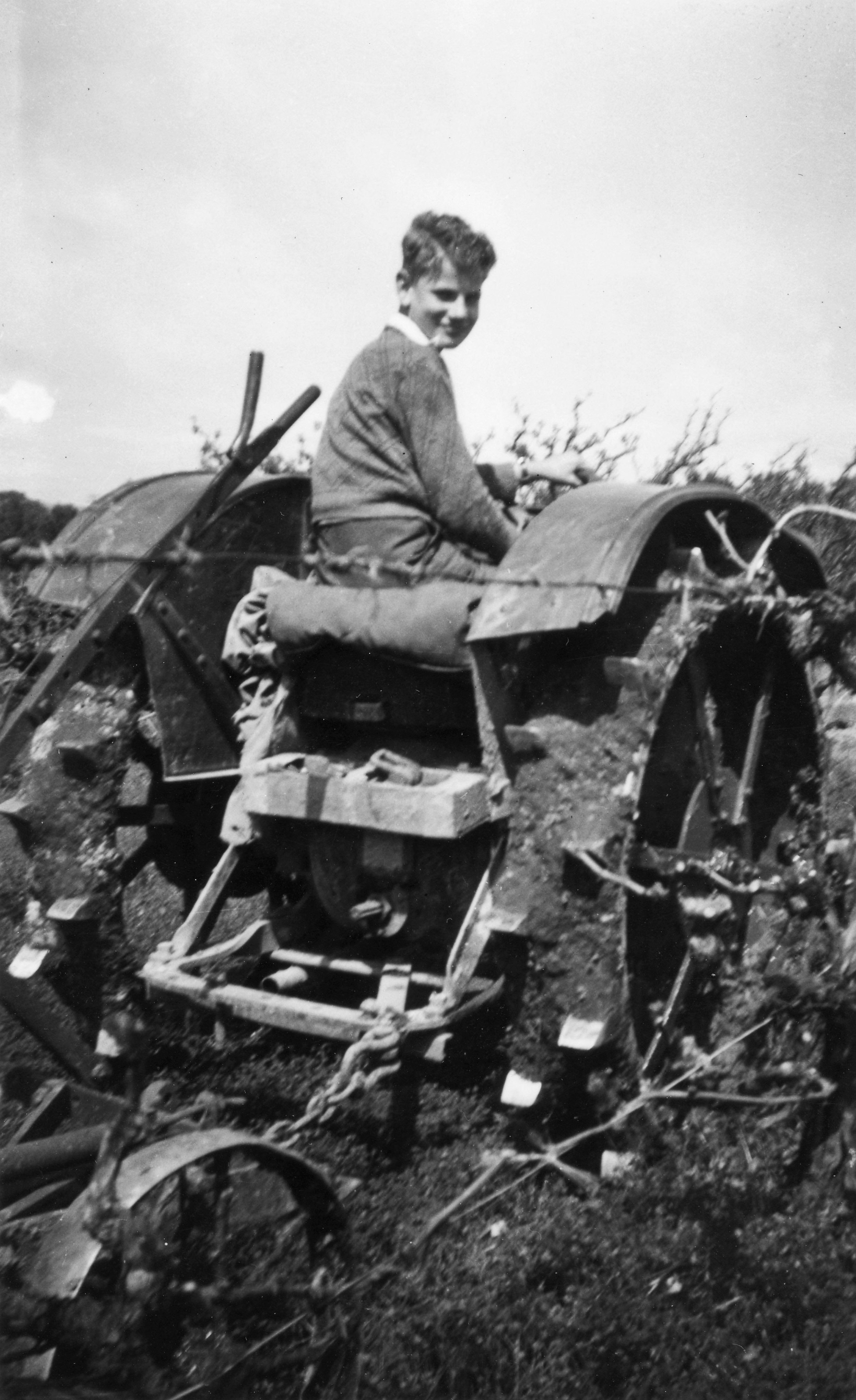
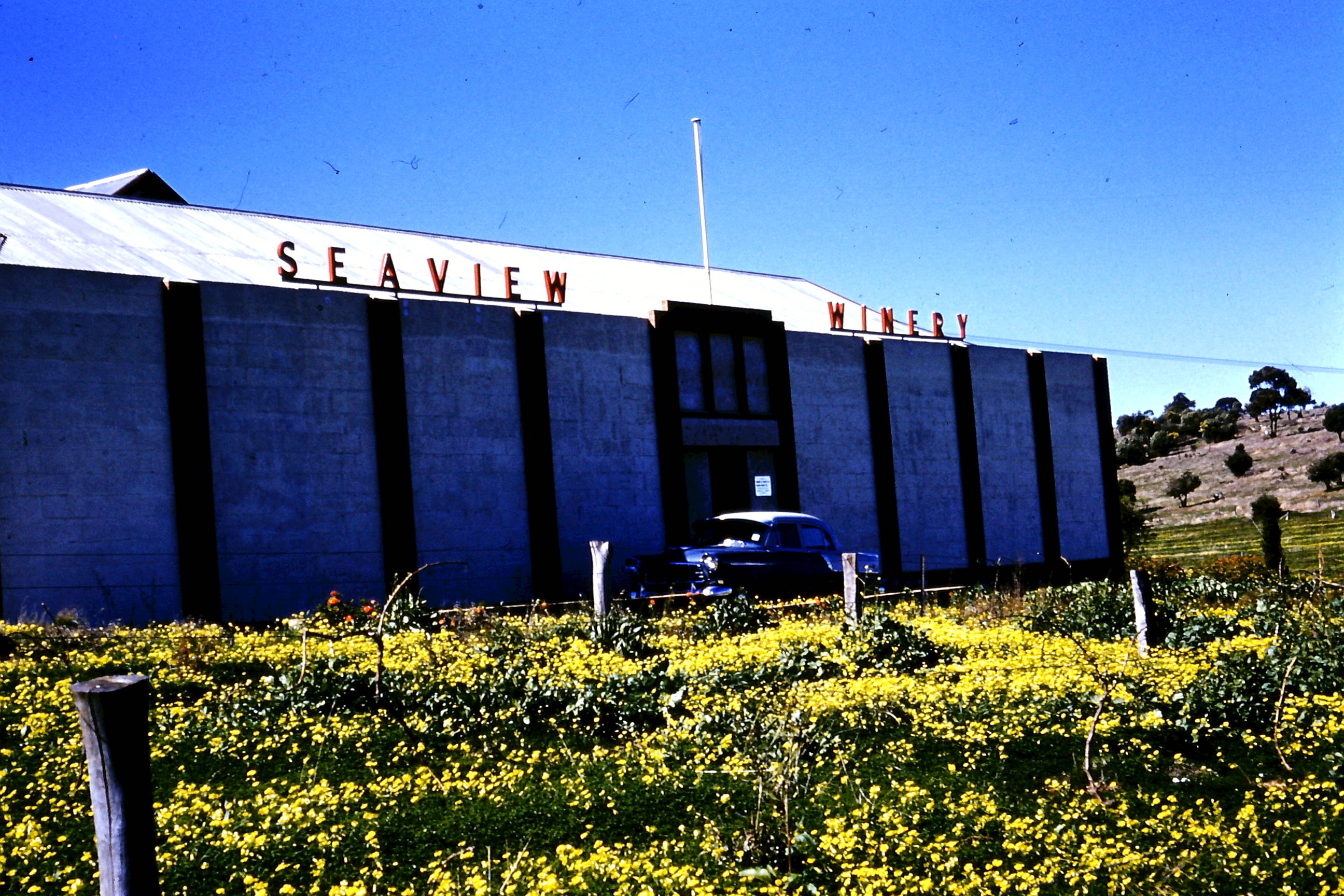
"I was brought up on the family vineyards in South Australia and spent my early years tilling the soil and nurturing a vast acreage of vines. I graduated to Seaview winery at McLaren Vale which was part owned by my family. The hard physical effort, the changes in the seasons and the fluctuating periods of plenty and scarcity were a good grounding for the ebb and flow of later life. Walking behind a horse and plough turning over the soil in the spring, after it had been beaten down by the winter rains, is a very memorable experience.
I have no regrets about my years on the land as they gave me a special sense of nature in all its different moods."
From: the biographical notes of Robert Edwards
The Road to Curator
"Life for Bob was full of delight and excitement in this rich environment, despite the hard times of the Depression. The World War II years were also important to Bob's growing up. There was rationing, but the orchard and exchanges with neighbours made sure that food was always on the table. Street lights were out and the houses were fitted with blackout curtains. The few vehicles carried smoke coke-fired gas products, their lights dimmed and shaded.
On the orchard he worked the vines with a horse and single furrow plough, delighting in the crowds of seagulls that followed him. He drove the tractor and trucks, nurtured stone fruit, almonds, wine and table grapes, and vegetables. The hard outdoor life invigorated him and made him pretty tough later on. He enjoyed the changing the seasons, the quiet dawns and dusks, magpies, sun, sweat and cold.
Bob went to school at Ascot Park primary school and later to Thebarton Technical High School where he learnt skills that were essential for his future as a man on the land. He left high school in 1945 (age 15) with distinction but there was no question of tertiary education. It was assumed that he would follow his father (Friend Henry Edwards) and grandfather (Frank Henry Edwards) on the land."
From 1950 to 1957, following the sale of his grandfather's Marion property to the Housing Trust, he worked alongside his father who had bought into Seaview Winery at McLaren Vale (Edwards and Chaffey).
In 1957 following the retirement of his father from Seaview Winery he returned to Marion to lease a large mixed garden property (Orange Grove).
"...here he honed his marketing and management skills. He became expert at manipulating and negotiating the lucrative Christmas markets by betting or gambling on the hot weather to come. He would stack his cucumbers in the paddock with sprinklers on, waiting for the last moment to sell them at a much better price. He also used to drive his truck looking as though it was fully loaded into the markets but empty to throw his competitors off the scent."
"Bob's grandmother was a passionate member of the Field Naturalists Society and took Bob when he was quite young to lectures, exhibitions and excursions. I think this had a major impact on Bob's later life. Bob swiftly embraced the world of science and history, and a friendly scholar farmer...Gordon Ragless became his mentor and introduced him to the Royal Geographical Society. This was in Bob's early teens.
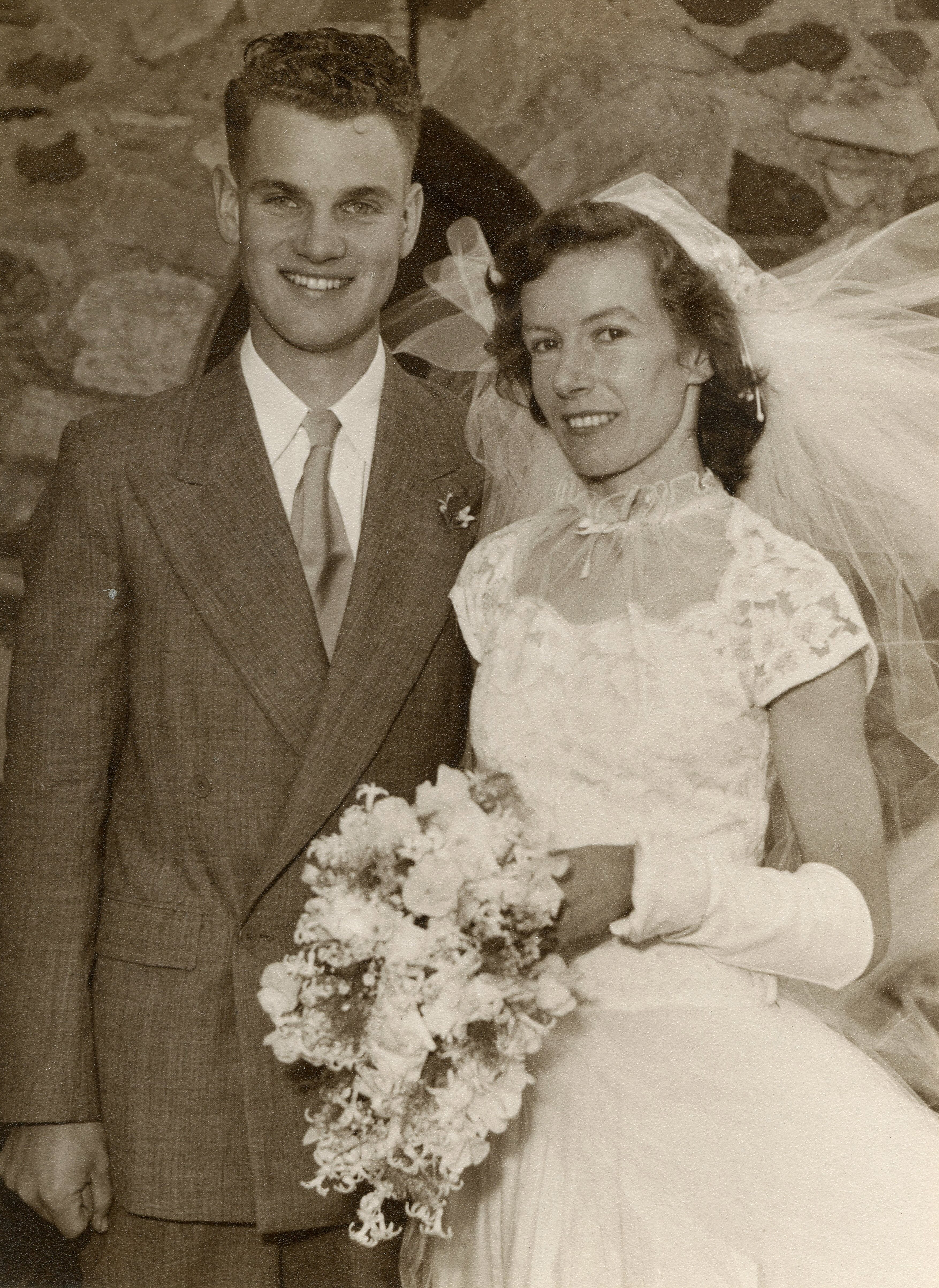
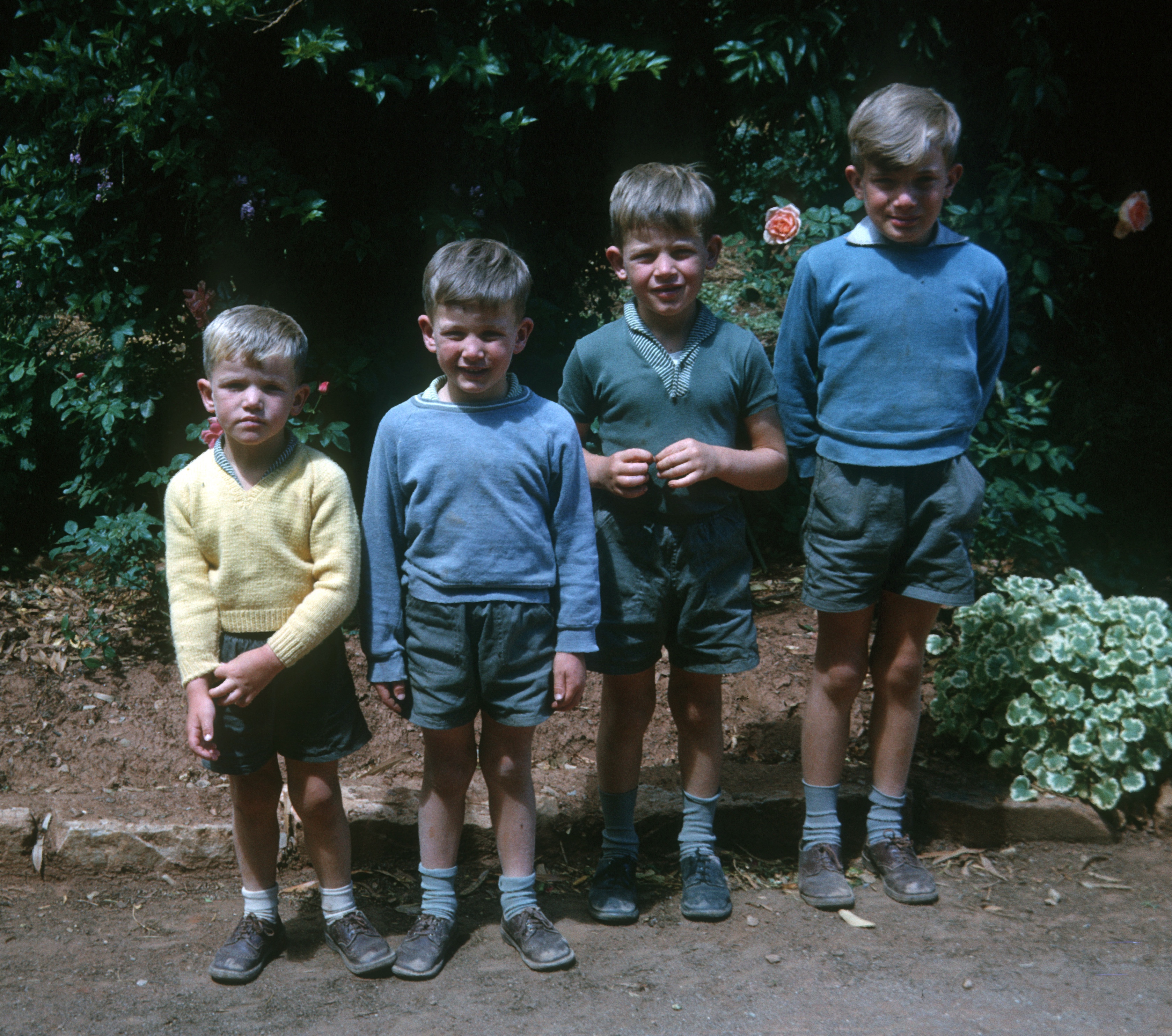
In 1952 Bob married Cath, his lifetime partner, and following the birth of their four sons the couple spent weekends and nights together writing papers, reports and letters for many decades. Bob would do a full week's work and go home for the weekend and do probably more intense two days of correspondence and report writing. Bob published his first paper with the Royal Geographical Society in 1954 on the history of the local church at Marion (St Mary's on the Sturt) the second oldest church in South Australia and the church where Bob and Cath were married.
In the 1960's Bob started night school and moved away from the market garden to the Adelaide wholesale produce market, first with the Apple and Pear Association and later he became their marketing director.
In 1965 (October) he succeeded Norman Tindale as curator of anthropology, realising his lifetime dream at the age of 35."
From: Dick Richards. "A Tribute to Bob Edwards." National Museum of Australia, 22 March 2011.
A passion for Family History
Throughout his life, Robert Edwards was fascinated by the stories of the families from which he came. Long before family history became easily accessible online, he devoted countless hours to researching records, visiting historic places, corresponding with relatives and piecing together the lives of those who came before him.
In his later years he began recording his research in a series of family histories, tracing the Edwards, Cordon and related families from their origins in Britain to their lives in South Australia. For Robert, these were far more than family trees. They were stories of courage, migration, hard work and community—stories that helped explain not only where his family came from, but also the wider history of South Australia itself.
This website celebrates Robert's remarkable career and many achievements, but we also wanted to preserve this quieter part of his life's work. Selected family history notes are available below as a starting point for anyone interested in exploring their own connections to the Edwards and Cordon families. They reflect Robert's research and writing at the time they were prepared and remain valuable historical records.
The documents currently available include:
Family Notes (Edwards Family)
Notes on the Cordon Family
Additional family history material, photographs and research notes remain in the family archives and may be made available in the future. If you believe you have a family connection, can contribute further information, or would simply like to learn more, we would be delighted to hear from you. Please contact us by clicking-through to the website's Feedback page.
We hope Robert's research provides future generations with a foundation on which to continue exploring their own family stories, just as he so enthusiastically explored his own.